



Maintenance Advice for a GMC Sierra 1500 With a Duramax Diesel Engine
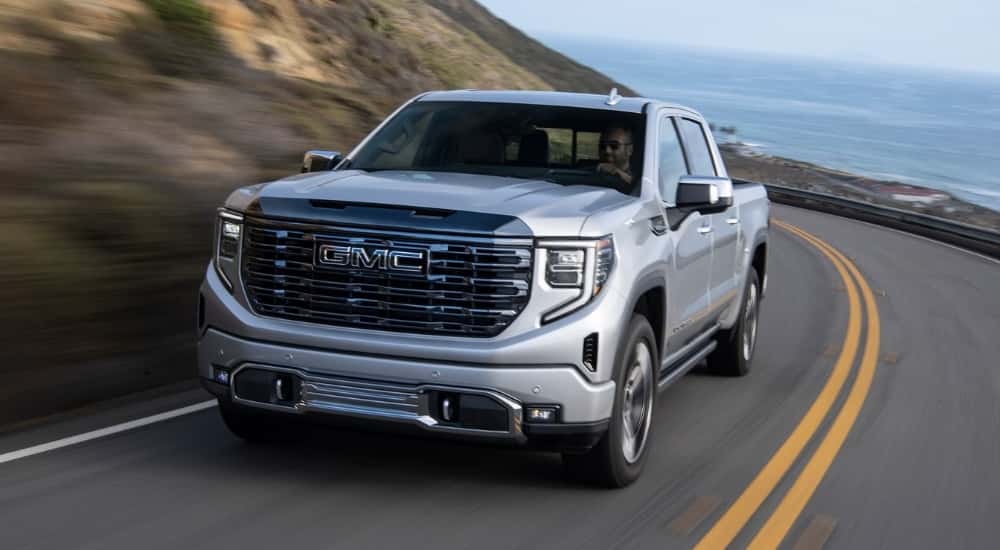
If you recently purchased a GMC Sierra 1500 with a Duramax turbo-diesel engine and are looking for a GMC service center near Monroe, visit us! We have technicians who are trained in caring for this robust diesel powerplant. A Duramax engine delivers impressive power and fuel efficiency, making it ideal for long trips and towing large vessels on a regular basis. However, like all diesel engines, it requires care unique to what a gas-powered engine receives.
Staying on top of routine maintenance and familiarizing yourself with best practices can ensure you enjoy the best performance and efficiency out of your Duramax. It can also prevent costly repairs and surprises from arising on the road. If you don’t have time in your busy schedule for a breakdown, then adhering to your owner’s manual is especially important. Thus, today, we’ll be reviewing the most critical care items.
All of this information can be found in your owner’s manual. However, we know that it’s a lot to break down. Below, we’ll cover the most important rules, tips, and best practices for maintaining your GMC Sierra 1500’s Duramax turbo-diesel engine—and in terms that a non-mechanic can understand. We’ll begin with the regular scheduled maintenance intervals and explain why each one is important; then, we’ll dive into insider tips for caring for a diesel engine.
Engine Oil & Filter
Regularly scheduling routine oil changes is essential for all vehicles. Using only clean oil protects your engine’s internal components and enhances its efficiency. Oil changes can also prevent sludge buildup and keep contaminants out that can cause clogs.
Clean oil is also important for lubrication. Old oil doesn’t keep things moving as effectively as new oil, which can lead to increased friction and wear on your engine parts. Additionally, old oil is less effective at keeping your engine cool than new oil, and overheating would be an inevitable consequence, which would lead to further damage.
Ensure your oil is changed and its filter checked every 7,500 miles under normal driving conditions. However, if you see the “Change Oil Soon” alert come on, visit your mechanic for an oil change within the next 600 miles.
Engine Air Filter
Maintaining the proper air-to-fuel ratio in your engine is critical for combustion—and a functioning air filter ensures this ratio. It keeps both performance and efficiency at optimal levels, while protecting engine components against dirt and dust that can accelerate wear and tear.
If you see the “Replace Air Filter” message come on, take your truck to our dealership’s service center at your earliest convenience. In many cases, you can have it replaced at your next oil change.
Fuel Filter
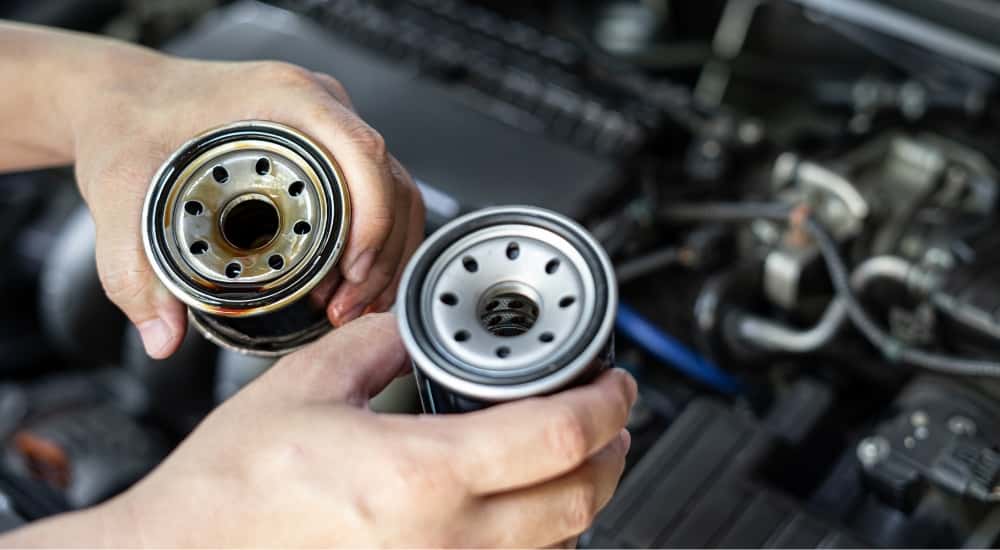
Your fuel filter removes contaminants, such as dirt, dust, and other particles, from your fuel before it makes its way into the fuel system. You only want clean fuel to enter the fuel system; contaminated fuel can lead to premature deterioration.
It’s a good idea to have your fuel filter replaced every 30,000 miles or two years—whichever comes first. However, if you see the “Replace Fuel Filter” message appear, visit your mechanic as soon as possible. Note that if you drive in areas with a lot of dust (such as off-road environments) or you frequently tow heavy loads, you’ll likely need to replace your fuel filter more often.
Coolant
Your coolant performs several functions, including properly dissipating heat to prevent your engine from overheating, preventing corrosion, and protecting internal components. It’s recommended that you drain and fill the engine cooling system every 150,000 miles or six years.
Timing Belt
Your timing belt syncs up critical parts of your engine, ensuring that shafts open and close at the exact right moments for proper combustion. Put simply, it makes sure everything is operating smoothly. Over time, due to exposure to factors such as high heat and friction, the timing belt wears out and must be replaced. This is recommended every 200,000 miles or every 15 years—whichever comes first.
Tips, Tricks, and Best Practices
Now that we’ve covered the core maintenance schedule for your Duramax engine, let’s review some key insights that can help prevent major issues down the line. Visiting the service center as planned should help you stay on top of these matters; however, it’s also a good idea to know how to recognize certain signs of trouble and make the right choices when you’re out on the road.
- Only use GM-approved transmission fluids. Using any other fluid may cause damage to your transmission, which your warranty will not cover. You’ll find a “recommended fluids” section in your owner’s manual.
- Check your Air Filter Life System. The nice thing about the newer Duramax models is that they have a system that tells you how much life (in percentage) your air filter has left, so you aren’t left tracking miles and guessing when to see your mechanic.
- Use the approved coolant. For your Duramax, the approved coolant is a 50/50 mix of DEX-COOL coolant and clean water. This specific mixture provides temperature protection for the range of -34 degrees Fahrenheit up to 265 degrees Fahrenheit.
- Look out for leaks. If you find yourself needing to replace your coolant more than four times per year, this could be a sign of a leak. See your mechanic right away.
- Never overfill coolant. The fill line is there for a reason. Your coolant will expand when it gets hot, so you need to leave extra space above the fill line.
- Don’t exceed weight limits. Your Duramax’s performance and health are closely connected to how much weight your truck has to support. Be aware of your truck’s payload and towing capacities, and never exceed these limits.
- Use Tow/Haul mode. Your GMC Sierra 1500 offers a Tow/Haul mode, and it’s there for a reason. Engaging it when towing a heavy vessel optimizes transmission and engine exhaust performance.
- Be aware of extreme conditions. Remember that service intervals are always based on “normal use.” However, if you frequently tow or haul, go off-roading, or operate in extreme climates, you may require more frequent maintenance. Our technicians can help you understand how your unique usage impacts your service schedule.
Our certified technicians can provide you with additional tips on prolonging the life of your Duramax engine for your drives around Monroe, but these are a great starting point!
Take the Best Care of Your Diesel Engine With Us
Monroe drivers, it’s time to treat your Duramax to premium care at our friendly service center! We have GMC experts on site who can help you enjoy the best performance out of your Duramax.
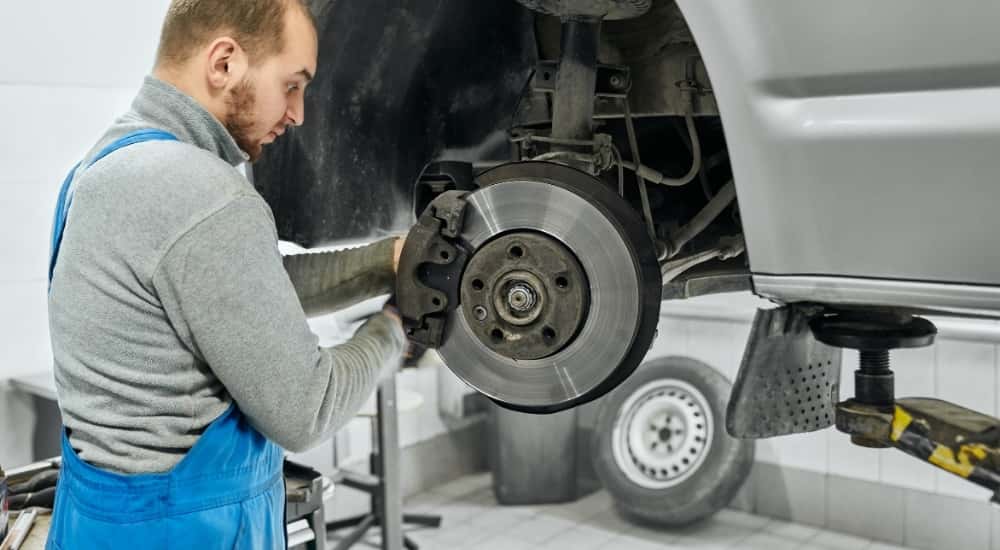
You can receive oil changes, tire rotations, transmission flushes, fluid top-offs, filter changes, and more. With complete knowledge of your GMC’s warranties, our teams are also equipped to provide repairs for covered issues. Additionally, we offer genuine GM parts and accessories, and we will always consider how these impact your warranties, discussing them with you.
With proper maintenance, your Duramax can last for over 200,000 miles, and in some cases, far more. However, remember that ignoring notifications or skipping scheduled maintenance can lead to issues not covered under your warranty. The 3.0L Duramax turbo-diesel is a high-quality engine, and we want to see you go the distance with it. Schedule a service appointment with us now and take control of your Duramax’s care.

0 comment(s) so far on Maintenance Advice for a GMC Sierra 1500 With a Duramax Diesel Engine