



Maximizing Your Buick’s Lifespan: The Importance of Regular Oil Changes
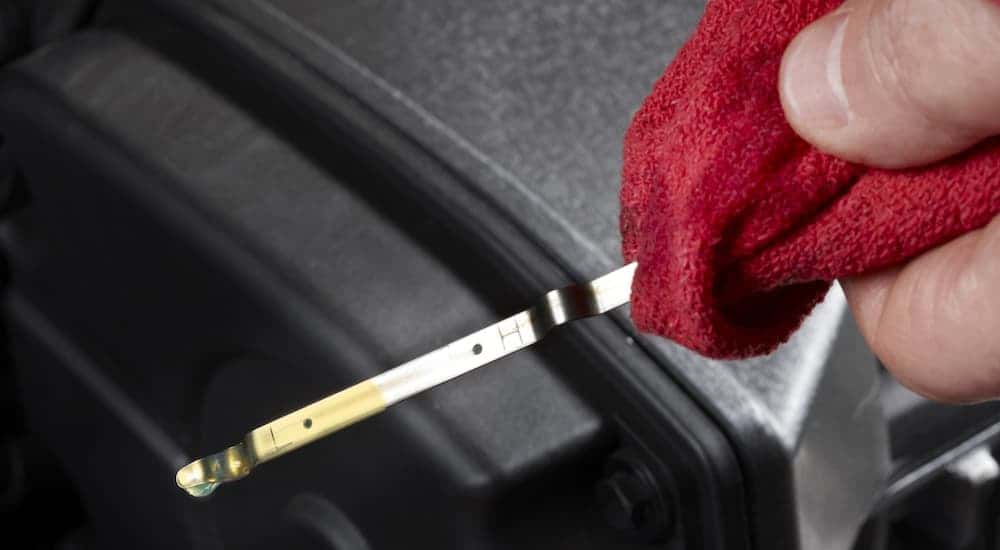
Whether you’re the proud owner of an Envista, Buick’s compact crossover with elegant lines and dynamic handling, or the spacious, family-friendly Enclave, there are certain steps you need to take to ensure your Buick vehicle continues to run well. One of those steps is ensuring regular oil changes are completed. Regular oil changes are essential for maintaining the performance and longevity of all vehicles on the road today, and knowing the recommended oil change interval, the type of oil Buick recommends, and what factors can influence the interval is key. Additionally, having a qualified and knowledgeable service team on your side is essential, such as the Buick service center at McCluskey Buick GMC.
For more than 50 years, our team has offered a wide range of support services to keep vehicles up and running. From preventive maintenance to major repairs and even body work, our skilled team knows what it takes to keep your car ready to go. We also take the time to answer any questions you might have so you have all the details you need to make an informed decision. Continue reading to learn more about the importance of regular oil changes and Buick’s recommendations.
Recommended Oil Change Intervals
When it comes to getting an oil change for your vehicle, you might hear a variety of numbers tossed around, which is why it’s important to pay attention to your owner’s manual to ensure you know when your specific make and model requires an oil change. Still, even with a number in mind, a few things could impact the interval, such as the vehicle’s age. Other factors include the following:
- Driving Conditions: Frequent short trips, stop-and-go traffic, and driving in extreme temperatures can cause oil to degrade more quickly.
- Oil Quality: Using high-quality synthetic oil can extend the interval between oil changes when compared to conventional oil.
- Driving Habits: Aggressive driving, such as rapid acceleration and hard braking, can increase engine workload, necessitating more frequent oil changes.
Due to these factors, the official word from most manufacturers, including Buick, is to always check the owner’s manual to ensure you’re getting timely oil changes. Additionally, every Buick in the last 20 years has had an oil life monitoring system. This system is crucial in estimating how long your engine’s oil will last based on how you use your vehicle. For instance, you may need more frequent oil changes if you commute regularly. Regardless, your engine oil and filter will need to be changed at least once a year, even if you drive less than 3,000 miles.
What is the Oil Life Monitoring System?
The oil life monitoring system is part of your vehicle’s computer system. As mentioned, it estimates how long your engine’s oil will last, alerting you when it’s almost time for an oil change. One important reason to have a factory-trained technician complete the oil change is that the system needs to be reset afterward. When this isn’t done, the system won’t be able to accurately inform you when it’s time for the next oil change. However, when it is reset successfully, you’ll receive an alert indicating that the oil needs to be changed within the next 600 miles. What does that alert look like? It’s a simple “Change Oil Soon” message that pops up on your dashboard.
It’s also important to note another message that may come across your dashboard: “Oil Pressure Low/Stop Engine.” If you see this message, pull over safely and turn off the engine. If it’s safe, you can check the oil level following the instructions in the owner’s manual. Either way, you’ll likely need to have your vehicle towed to our service center, as running the vehicle with this warning on can significantly damage the engine.
If you’ve recently had an oil change completed and realize the system wasn’t reset for some reason, you can follow these simple steps to do it yourself.
- On your Driver’s Information Center, go to “Remaining Oil Life.”
- Press and hold the checkmark with the above message showing.
- Once the oil life changes to 100%, you can let go and go back to the main menu.
- If the message returns the next time you start the vehicle, follow the steps again.
These steps are in your owner’s manual under “Engine Oil Life System.” If you continue to have issues, stop by and talk with our team so they can assess the situation.
Buick: Recommended Oil Type
Using the correct type of oil for your vehicle is critical to maintaining its performance and longevity. The proper oil provides optimal engine lubrication while reducing friction and wear on critical components. It also helps maintain proper engine temperature and efficiency, particularly under changing driving conditions. Additionally, the right oil type can boost fuel efficiency and lower emissions, resulting in a cleaner environment. Not using the recommended oil can cause increased engine wear, potential breakdowns, and expensive repairs. As a result, paying attention to your vehicle’s manufacturer’s oil specifications is critical for maintaining your vehicle’s health and performance.
For Buick vehicles, a few brands are recommended. The first is ACDelco Gold Conventional Oil to ensure quality engine wear and protection. Additionally, ACDelco Dexos1 Full Synthetic offers a variety of benefits, including support during cold-weather starts and prevention of sludge and deposit buildup. Mobil1 Advanced Full Synthetic might also be recommended, which is an advanced type that protects vital engine parts and offers advanced lubrication. Our team can explore which engine oil is best for your vehicle’s needs and answer questions you might have about this so you understand your options.

What Other Services Should Be Completed During an Oil Change?
Have you ever wondered what other services should be completed during an oil change? Some of the tasks that make sense include the following:
- Oil Filter Replacement: When changing oil, the oil filter should also be replaced to ensure that contaminants are effectively removed.
- Air Filter Inspection: A clean air filter allows for optimal airflow to the engine, which improves fuel efficiency and performance.
- Fluid Level Checks: Our team will inspect and top off other critical fluids such as coolant, brake fluid, transmission fluid, and windshield washer fluid during your vehicle’s oil change.
- Tire Rotation: Tire rotation promotes even wear and increases tire life. Talk with our team to see if this is needed.
- Brake Inspection: We can also check the brake pads and rotors to ensure that your braking system is working properly.
- Battery Check: It’s important to make sure your battery is in good condition and free of corrosion to avoid unexpected breakdowns.
- Belt and Hose Inspection: Belts and hoses may also be checked during the oil change to look for signs of wear or damage and prevent failures.
Schedule Your Oil Change Today
Regular oil changes are essential for preserving your Buick’s performance and longevity. Adhering to the recommended oil change interval, using the proper oil type, and performing additional necessary maintenance will help keep your vehicle running smoothly. By being proactive with your vehicle maintenance, you can enjoy a dependable and efficient driving experience for many years to come. You can quickly schedule your next oil change online or by calling our McCluskey Buick GMC service center. We work hard to provide you with the best possible service and ensure we check all the boxes regarding maintenance. If you have any questions, don’t hesitate to give us a call.

0 comment(s) so far on Maximizing Your Buick’s Lifespan: The Importance of Regular Oil Changes